
If I’m not getting paid through affiliate links on this post, it’s an oversight on my part and will be corrected soon. 🙂
Writing and publishing a book is a dream for many aspiring authors. However, it can be a daunting task that requires planning, dedication, and creativity. Whether you’re writing your first novel or a non-fiction guide, understanding the steps involved can help turn your vision into reality. In this blog, we’ll explore the essential phases of writing and publishing a book—from igniting that initial spark of inspiration to successfully sharing your work with the world.
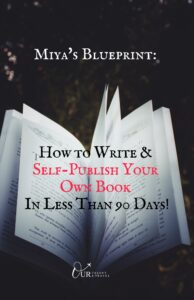
Get Inspired to Begin Writing your Own Book
Every great book begins with an idea. This spark of inspiration can emerge from various sources such as personal experiences, vivid dreams, compelling news stories, or even conversations. When that moment of inspiration strikes, it’s important to capture it immediately. Here are some ways to do so:
a. Keep a Journal: Jot down ideas and thoughts whenever they come to you.
b. Create Mind Maps: Visualizing your ideas can clarify your theme and direction.
c. Discuss with Others: Sometimes, talking about your ideas with friends or fellow writers can foster greater clarity.
By recognizing and recording these flashes of creativity, you’ll set the foundation for your book.

Define Your Audience and Purpose
Understanding who you are writing for and what you wish to achieve is vital for the success of your book. Consider the following steps:
a. Identify Your Target Audience: Who will benefit from your book? Knowing your audience helps tailor your content to meet their interests and expectations.
b. Clarify Your Purpose: Are you looking to entertain, inform, or inspire? Understanding your goals will guide your writing and marketing strategies.
Once you have a clear sense of your audience and purpose, you can create content that resonates deeply with them.
Develop a Writing Plan
Creating a structured writing plan or outline is important for maintaining focus and organization throughout the writing process. Here’s how to develop your writing plan:
a. Outline Your Content: Break your idea into chapters or sections, each with key points and objectives.
b. Set a Timeline: Allocate timeframes for each stage of writing, including drafting and revisions.
c. Choose Your Writing Tools: Decide if you prefer writing on a computer, using pen and paper, or employing writing software.
A well-structured writing plan acts as a roadmap, guiding you through the often overwhelming journey of writing a book.
Set Writing Goals
To remain motivated and ensure steady progress, setting achievable writing goals is imperative. Consider the following methods:
a. Daily Word Count: Aim for a specific number of words to write each day to build momentum.
b. Weekly Chapter Targets: Set goals for completing chapters within a week.
c. Accountability Partners: Share your goals with someone who can encourage you to stay on track.
Regularly meeting these goals enhances your productivity and keeps the writing process enjoyable.

Begin Writing
Now that you’ve planned and set goals, it’s time to start writing. Remember, the first draft doesn’t have to be perfect; it’s a starting point! Here are some tips for getting your words down:
a. Establish a Writing Routine: Designate specific times for writing to help develop a consistent practice.
b. Create a Comfortable Environment: Choose a space where you feel inspired and can concentrate.
c. Embrace the Editing Process: Understand that your first draft is meant to be revised. Focus on getting your ideas down without worrying too much about perfection.
By allowing yourself to write freely, you unleash your creativity and facilitate the development of your book.
Revise and Edit to Get Ready to Publish Your Book
Once your first draft is complete, the real work begins. Revising and editing will ensure your manuscript is clear, cohesive, and engaging. Consider the following steps:
a. Take a Break: Step away from your manuscript for a few days to gain fresh perspectives.
b. Read Aloud: Listening to your writing can help identify awkward phrases and inconsistencies.
c. Seek Feedback: Share your manuscript with beta readers or utilize professional editing services for valuable insight.
Multiple rounds of revisions will refine your work into a polished piece ready for publication.

Design and Formatting
A well-designed book cover and properly formatted layout are crucial for attracting readers and presenting your work professionally. Here are some key aspects to consider:
a. Book Cover Design: Collaborate with a professional designer to create a cover that reflects your book’s content and genre.
a. Formatting: Pay attention to the formatting of your manuscript for print and digital versions. You can learn this yourself or hire a formatting expert for assistance.
A visually appealing book cover combined with proper formatting enhances the overall reading experience.
Publishing Options
With a polished manuscript ready, you can explore various publishing options:
a. Traditional Publishing: Submit your manuscript to literary agents or publishers. If accepted, they will manage editing, cover design, distribution, and marketing on your behalf.
b. Self-Publishing: This option allows you to retain complete control over your book’s content, design, and distribution. Platforms such as Amazon Kindle Direct Publishing can help you reach readers directly.
Each option has its pros and cons, so consider what aligns best with your goals and resources.
Turning your book idea into a published work involves navigating several essential steps—each requiring different levels of commitment, creativity, and strategy. From finding your initial inspiration to understanding your audience and finally choosing the right publishing route, the journey is as rewarding as it is demanding. Remember, every author starts somewhere; with perseverance and dedication, you too can see your name in print. So grab that notebook or open your laptop—your literary adventure awaits!